How to Draw Step by Step: A Comprehensive Guide for Children's Books and Practice Worksheets
Introduction to Drawing for Kids
Welcome to the wonderful world of drawing! Whether you're a parent, teacher, or creative enthusiast, this guide is designed to help you introduce the joy of drawing to children, toddlers, and preschoolers. Drawing is not just a fun activity; it's a powerful tool for developing creativity, fine motor skills, and cognitive abilities in young minds.
The Importance of Drawing in Early Childhood Development
Drawing is a fundamental skill that plays a crucial role in a child's development. It helps in:
- Fine Motor Skills: Holding a pencil or crayon and making deliberate movements enhances hand-eye coordination and dexterity.
- Cognitive Development: Drawing encourages children to think creatively, solve problems, and make decisions.
- Emotional Expression: Art provides a non-verbal way for children to express their feelings and emotions.
Choosing the Right Tools
Before diving into the drawing process, it's essential to have the right tools. Here are some basic supplies you'll need:
- Pencils (preferably with an eraser)
- Colored pencils or crayons
- Sketchbook or drawing paper
- Erasers
Basic Shapes and Lines
Start by teaching children how to draw basic shapes and lines. These building blocks will form the foundation for more complex drawings.
- Lines: Straight, curved, and zigzag lines.
- Shapes: Circles, squares, triangles, and ovals.
Simple Drawing Tutorials
Here are some simple step-by-step tutorials to get started:
- Draw a Cat:
- Start with a circle for the head.
- Add two small triangles for the ears.
- Draw two circles for the eyes and a small triangle for the nose.
- Add whiskers and a smile.
- Finish with a body and tail.
- Draw a Tree:
- Draw a straight line for the trunk.
- Add a large circle at the top for the leaves.
- Draw smaller circles around the main circle to create branches.
- Add details like bark and individual leaves.
Designing Practice Worksheets
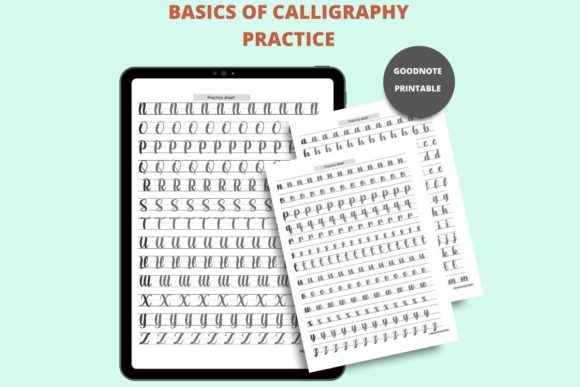
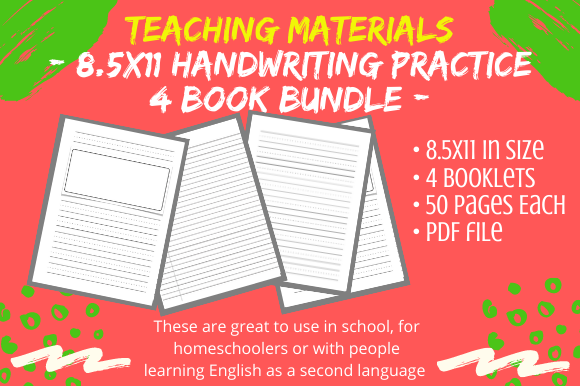
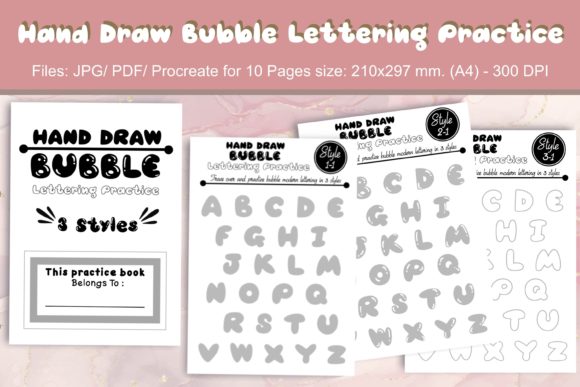
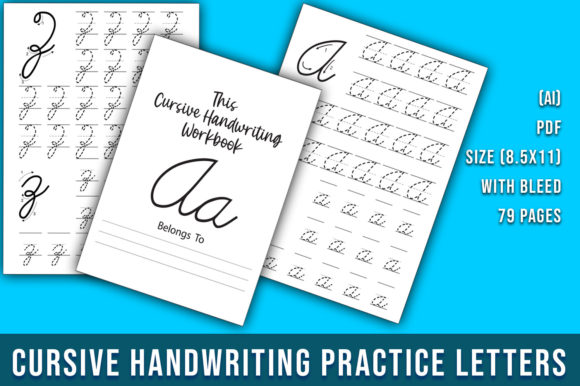
Practice worksheets are an excellent way to help children refine their drawing skills. Here’s how to create them:
- Choose a Theme: Select a theme that interests the children, such as animals, vehicles, or nature.
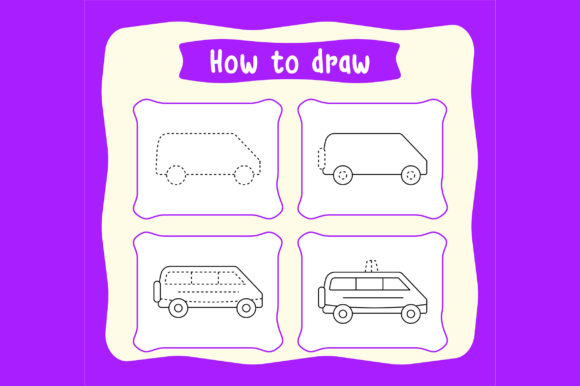
- Create Templates: Use simple outlines and shapes to create templates. Include dotted lines for tracing.
- Add Instructions: Provide clear, step-by-step instructions on how to complete each drawing.
Coloring Pages for Creative Expression
Coloring pages are a fantastic way to engage children in artistic activities. Here’s how to design them:
- Select Simple Designs: Choose designs with large, simple shapes that are easy to color.
- Include a Variety of Themes: Offer a range of themes to keep children engaged and interested.
- Print High-Quality Images: Use high-resolution images (300 DPI) to ensure the coloring pages look crisp and clear.
Editable EPS Files and High-Resolution JPGs
To make your drawing resources versatile and professional, consider using editable EPS files and high-resolution JPGs. Here’s why they are important:
- Editable EPS Files: These vector files allow you to edit and scale your designs without losing quality. They are perfect for creating custom worksheets and coloring pages.
- High-Resolution JPGs (300 DPI): These files ensure that your printed materials look sharp and vibrant. They are ideal for creating high-quality practice worksheets and coloring pages.
Conclusion
Drawing is a valuable and enjoyable activity for children. By following these step-by-step tutorials and creating engaging practice worksheets and coloring pages, you can help foster a love for art and creativity in young minds. Whether you’re a parent, teacher, or creative professional, these resources will be a valuable addition to your high-content book business.
Additional Resources
For more detailed tutorials and a wide range of drawing resources, check out the following websites:
Happy drawing!