Cursive Handwriting Workbook: A Comprehensive Guide for Kids
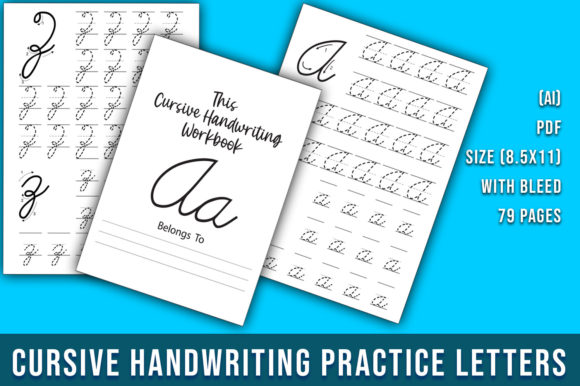
Introducing the Cursive Handwriting Workbook, a meticulously designed resource aimed at helping children master the art of cursive writing. This workbook is perfect for parents, teachers, and anyone looking to support a child's journey in developing neat and fluid handwriting. With its structured approach and high-quality materials, it stands out as an essential tool for educational development.
Why Choose the Cursive Handwriting Workbook?
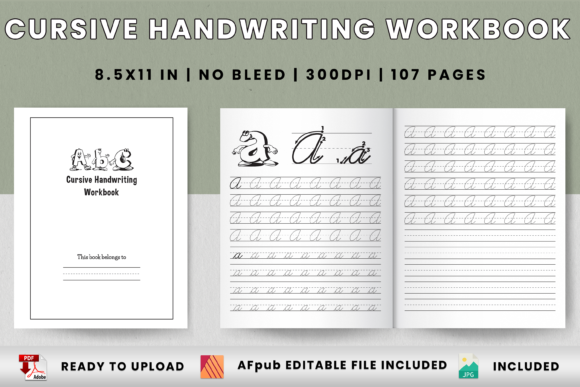
The Cursive Handwriting Workbook offers a unique and effective way for children to learn and practice cursive letters. Each letter, from Aa to Zz, is presented with detailed tracing exercises that include directional arrows, guiding the child's hand in the correct movement. This method not only makes learning cursive more engaging but also helps in building muscle memory, which is crucial for consistent and legible handwriting.
Common Mistakes to Avoid When Using Cursive Handwriting Workbooks
While the Cursive Handwriting Workbook is a valuable tool, there are common pitfalls that can hinder a child's progress if not addressed:
- Skipping Initial Tracing Exercises: Some may think that once a child understands the basic strokes, they can move on to freehand writing. However, skipping the tracing steps can lead to poor form and inconsistent letter shapes. It's important to follow the workbook's structure to build a strong foundation.
- Ignoring Directional Arrows: The directional arrows in the workbook are there for a reason. They show the exact path the pen should take. Ignoring these can result in incorrect letter formation, which can be difficult to correct later.
- Not Practicing Regularly: Consistency is key in developing any skill, especially handwriting. Sporadic practice can slow down the learning process and make it harder for the child to retain what they've learned.
Practical Advice for Effective Use
To get the most out of the Cursive Handwriting Workbook, consider the following tips:
- Start Slow and Be Patient: Begin with a few letters at a time and gradually increase the number as the child becomes more comfortable. Patience is key; rushing through the workbook can lead to frustration and poor results.
- Use the Right Tools: Ensure the child is using a pencil or pen that is comfortable and easy to grip. The right tool can make a significant difference in the quality of their handwriting.
- Provide Positive Reinforcement: Encourage and praise the child's efforts. Positive reinforcement can boost their confidence and motivation, making the learning process more enjoyable.
What to Check Before Using the Workbook
Before diving into the Cursive Handwriting Workbook, here are a few things to check:
- Workbook Format: The workbook is available in a PDF format, ready for instant download and printing. Make sure your printer settings are set to 8.5x11 inches and 300 DPI for the best print quality.
- Editable Files: If you need to make any adjustments, the original AFpub files are editable. This allows for customization to better suit the child's needs or preferences.
- Bonus JPG Files: The bonus JPG files can be useful for digital practice or for creating additional materials. These can be printed or used on a tablet for interactive learning.
By avoiding common mistakes and following these practical tips, you can ensure that the Cursive Handwriting Workbook is a valuable and effective tool in your child's educational journey. With patience, consistency, and the right approach, mastering cursive handwriting can be both fun and rewarding.