Mastering Pen Control: Essential Exercises for Young Learners
Pen Control Exercises are a fundamental tool in the early stages of a child's writing development. These exercises are designed to help young learners, typically in the preschool and kindergarten age groups, develop the fine motor skills necessary for writing. By focusing on pen control, these activities not only make the process of learning to write more engaging but also more effective.
Key Characteristics and Purpose
The primary purpose of pen control exercises is to enhance a child's ability to hold and move a pen or pencil with precision. This is crucial for forming letters and numbers correctly. The exercises often include tracing lines, curves, and shapes, which gradually build up to more complex tasks like writing letters and numbers. The structured approach helps children feel a sense of achievement as they progress through the activities.
Strengths and Practical Value
One of the key strengths of pen control exercises is their simplicity and accessibility. These exercises can be easily integrated into a daily routine, making them a practical solution for both parents and educators. The repetitive nature of the activities reinforces muscle memory, which is essential for developing good handwriting habits. Additionally, the visual and tactile feedback from tracing and drawing helps children understand the relationship between their movements and the marks they make on paper.
Real-World Performance and Usability
In real-world use, pen control exercises have been shown to significantly improve a child's handwriting skills. The consistent practice of these exercises helps in building the necessary hand-eye coordination and fine motor control. For instance, a child who regularly practices tracing curved lines will find it easier to form letters like 'c' and 'o'. The gradual progression from simple to more complex tasks ensures that the child is neither overwhelmed nor under-challenged, maintaining an optimal level of engagement.
Quality and Presentation
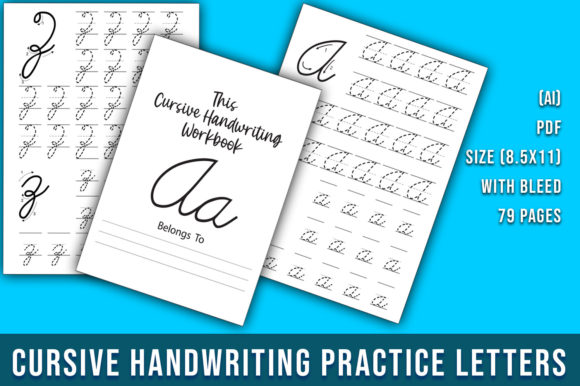
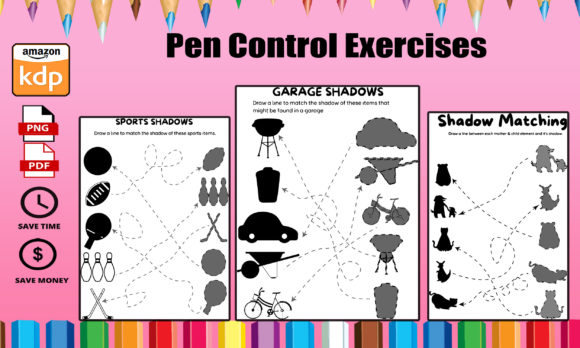
The quality of pen control exercises is evident in the high-resolution images and clear, well-defined lines that make tracing easy and enjoyable. The materials, such as the FunnyArti Activity Book, are designed with attention to detail, ensuring that each page is visually appealing and easy to follow. The 8.5×11 inches bleed format and PDF file options provide flexibility in printing and distribution, making it suitable for various platforms, including Etsy and Amazon KDP.
Who Can Benefit?
Pen control exercises are particularly beneficial for children aged 2-4 years, as this is a critical period for developing fine motor skills. Parents, teachers, and caregivers can use these exercises to support early literacy and numeracy. They are also ideal for professionals in the education sector, such as preschool and kindergarten teachers, who are looking for high-quality, ready-to-use resources to enhance their teaching materials.
Practical Recommendations and Limitations
To get the most out of pen control exercises, it is recommended to start with simpler tasks and gradually move to more complex ones. Consistency is key, so incorporating these exercises into a regular routine can be highly effective. However, it's important to balance the practice with other activities to avoid overloading the child. Additionally, while these exercises are generally very effective, individual results may vary based on the child's unique developmental pace and needs.
Conclusion
Pen control exercises offer a valuable and practical solution for helping young learners develop essential writing skills. With their structured approach, high-quality presentation, and wide range of applications, these exercises are a worthwhile investment for anyone involved in early childhood education. Whether you are a parent, teacher, or educational professional, pen control exercises can play a significant role in fostering a child's academic and creative growth.